
9 Days in China — What Shenzhen Taught Me About the Future of Technology and Building Things
From cashless payments to drone deliveries, here’s why this trip completely changed my perspective.
Arrival — First impression: AI everywhere
I recently spent nine days traveling across China, moving between Qingdao → Jinan → Guangzhou → Shenzhen.
Each city was interesting in its own way.
But Shenzhen?
Shenzhen felt different.
The moment I walked out of the plane, the first thing I saw was an AI advertisement inside the airport.
Not luxury brands. Not tourism ads. AI.
It immediately set the tone.
This wasn’t just another big city — it felt like landing in a place designed for builders.
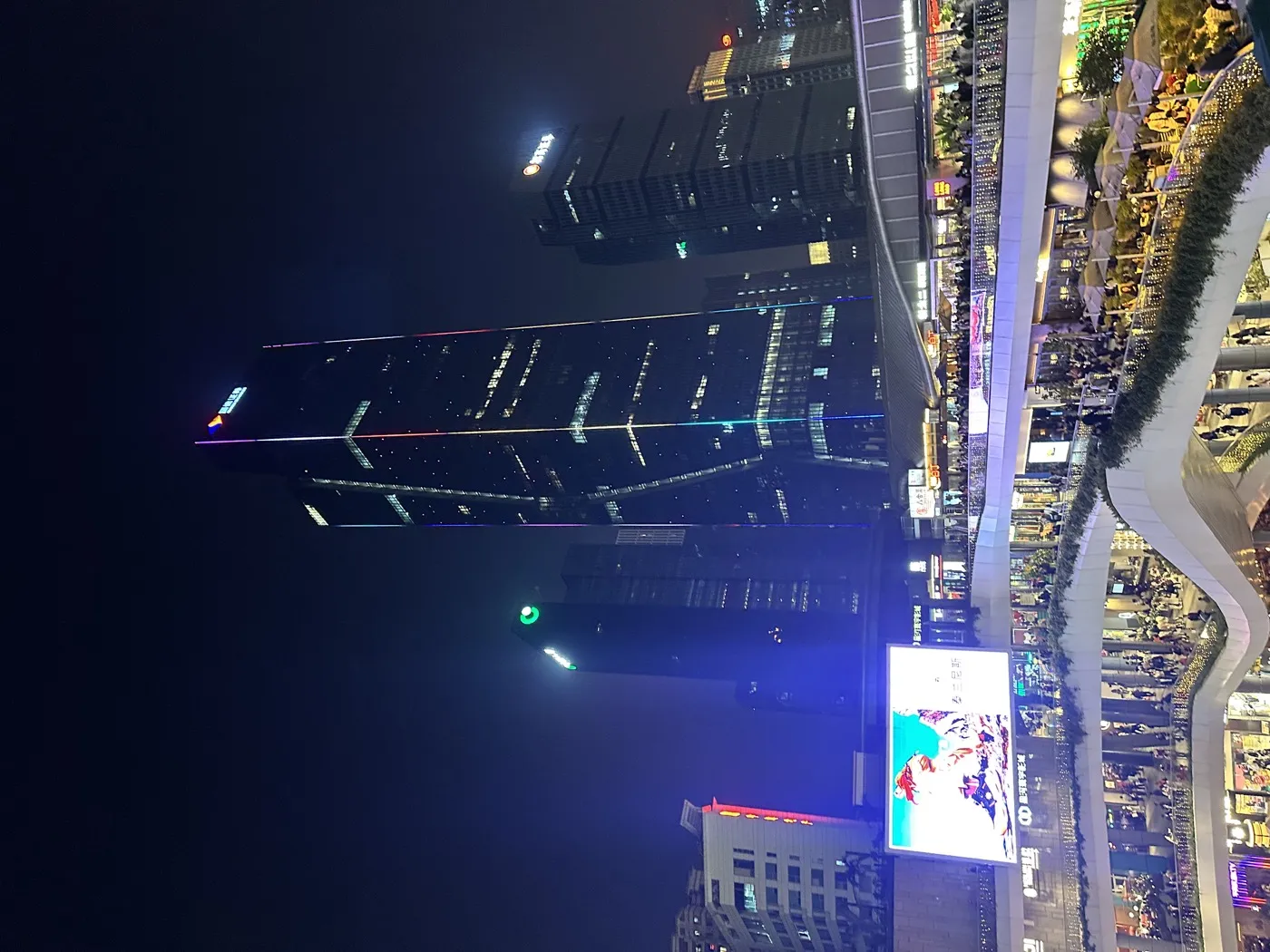 The city’s skyline felt like a preview of the future.
Payments: the most frictionless system I’ve ever used
In most countries, you still think about:
- cash or card?
- Apple Pay or terminal?
- foreign fees?
In China, you don’t think at all.
You just scan.
WeChat Pay and Alipay work literally everywhere:
- street food vendors
- metro gates
- taxis
- convenience stores
- tiny local shops
I linked my foreign bank card once and didn’t touch cash for the entire trip.
Payments became invisible — which is exactly what good technology should feel like.
Transportation that actually respects your time
China’s public transport is honestly world-class.
Especially in Shenzhen:
- a station is almost always within 5–10 minutes
- trains come every few minutes
- everything is clean, cheap, and reliable
Even intercity travel was smooth thanks to high-speed trains between cities.
It sounds simple, but when transportation “just works,” your whole experience of a city changes.
You spend time exploring — not waiting.
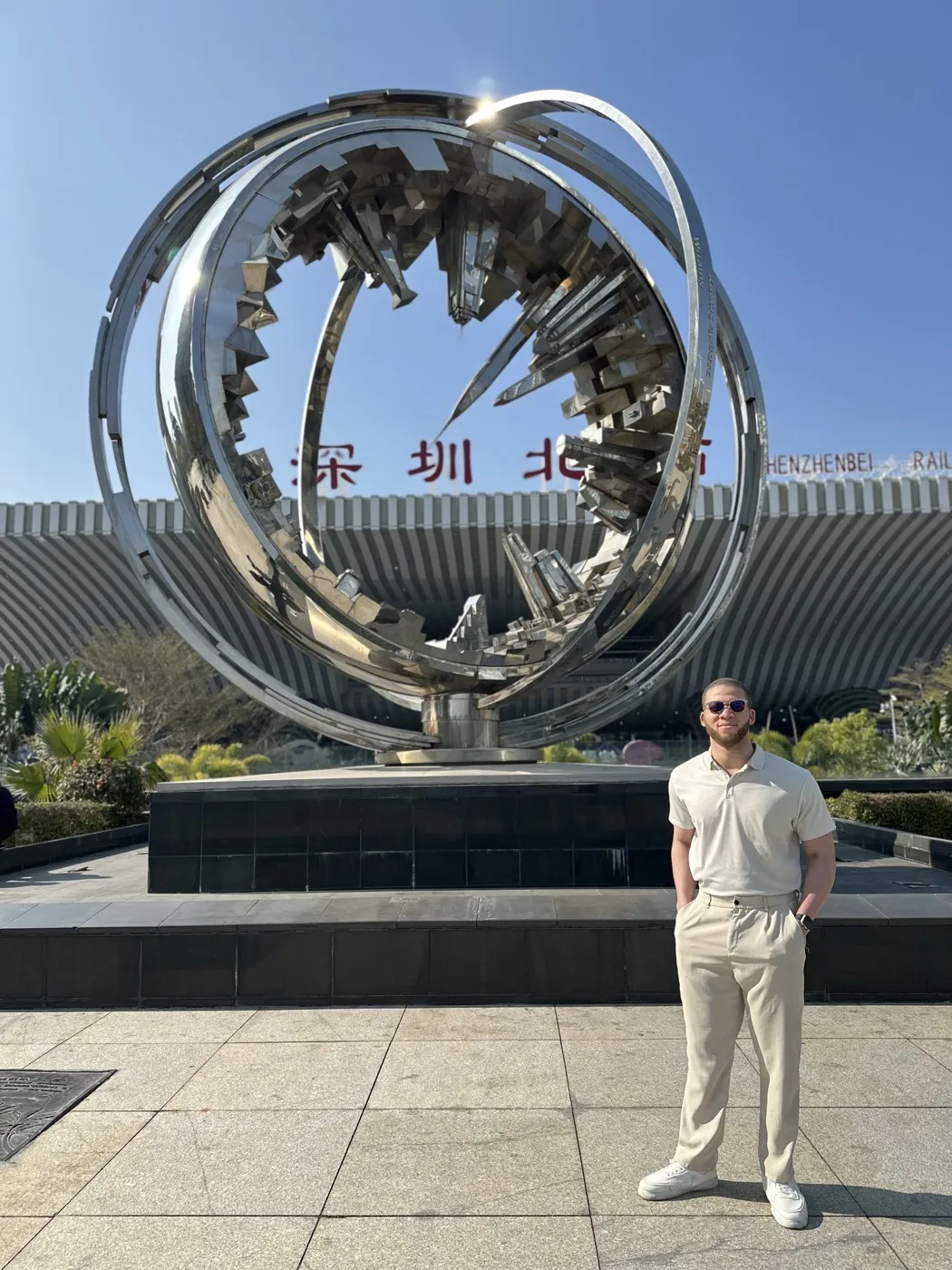 Fast, clean, and always on time.
Electric city = quieter, cleaner, calmer
One thing I noticed immediately: the streets felt… quiet.
That’s because Shenzhen has:
- fully electric public buses
- most taxis electric
- tons of personal EVs
The result: Less noise. Better air. More comfortable streets.
It genuinely felt healthier than many large cities I’ve visited.
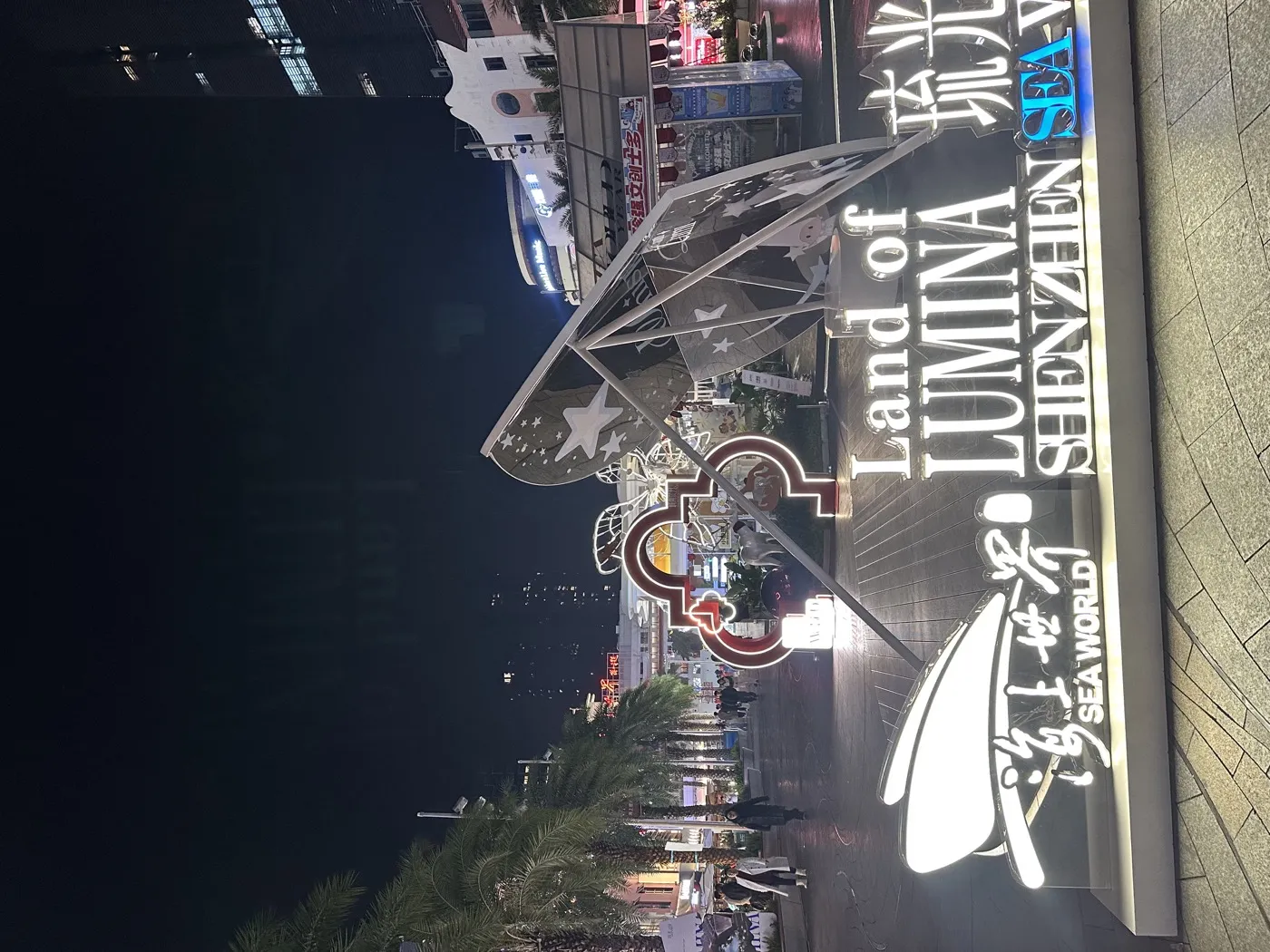 Calmer streets and cleaner air made the city feel more livable.
Huaqiangbei — the hardware builder’s playground
Then I discovered Huaqiangbei.
And honestly… it blew my mind.
Imagine:
- floors and floors of components
- sensors, chips, screens, batteries
- drones, cameras, modules
- every part you might ever need
If you’re building hardware or robotics, this place feels unreal.
You can:
prototype → source parts → negotiate → manufacture
All in the same day. No months of shipping delays. No endless middlemen.
Now I understand why companies like DJI, Huawei, and Tencent are based here.
The ecosystem makes speed possible.
 Hardware and AI are everywhere — even in everyday retail displays.
Everyday life feels futuristic
This is the part that surprised me most.
Some things that felt straight out of sci-fi:
- ordering food delivered by drone
- autonomous taxis operating on public roads
- robots and smart devices showcased in malls
- AI and hardware startups everywhere
It’s not demo tech.
It’s daily life.
Technology isn’t theoretical here — it’s deployed.
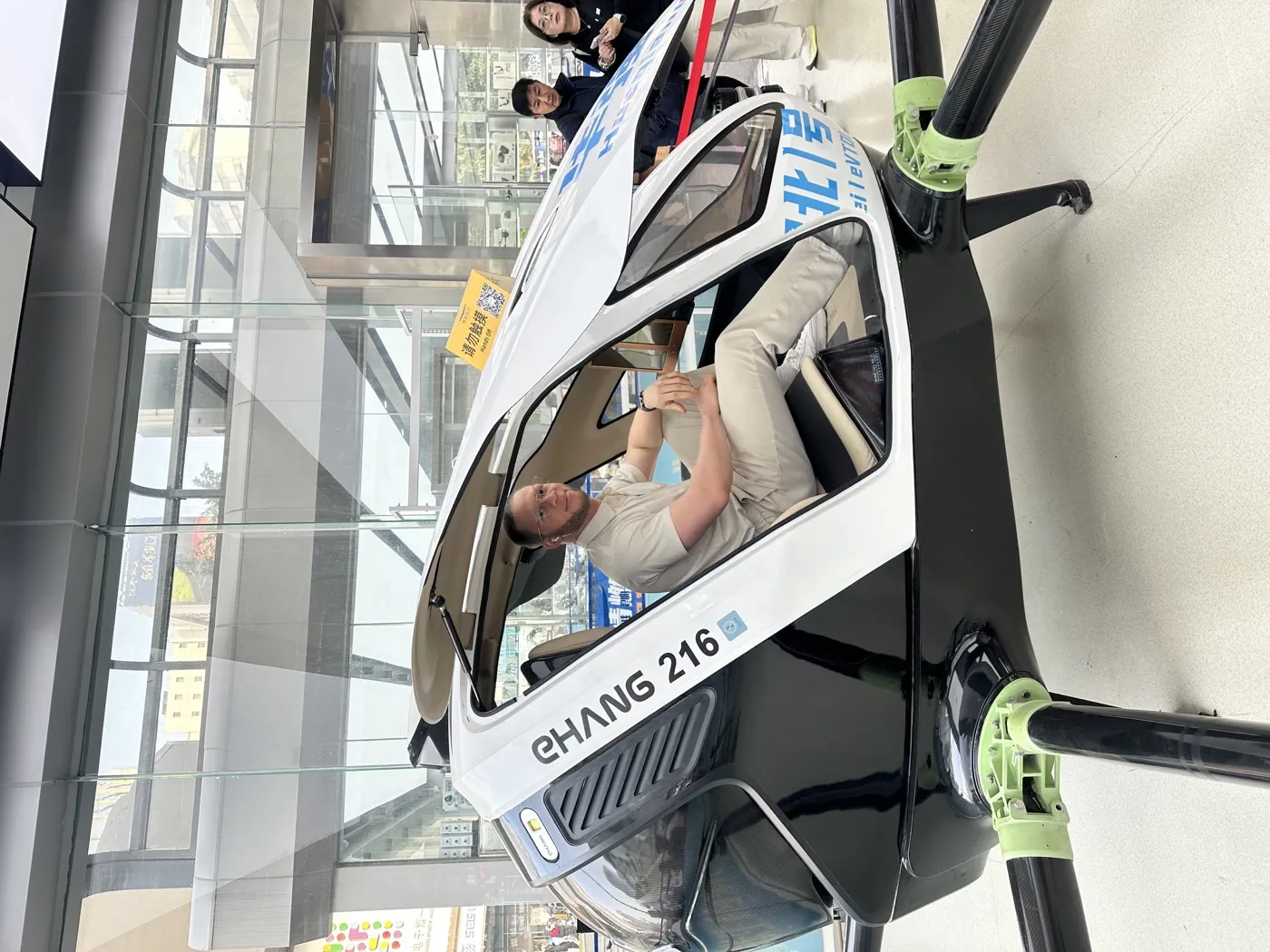 Everyday life feels like a demo that already shipped.
Lifestyle & cost of living
Another surprise: it’s actually affordable.
- food is cheap and delicious
- transport costs almost nothing
- daily expenses are reasonable for a megacity
You can focus on building instead of surviving.
Which explains why there are so many founders and engineers around.
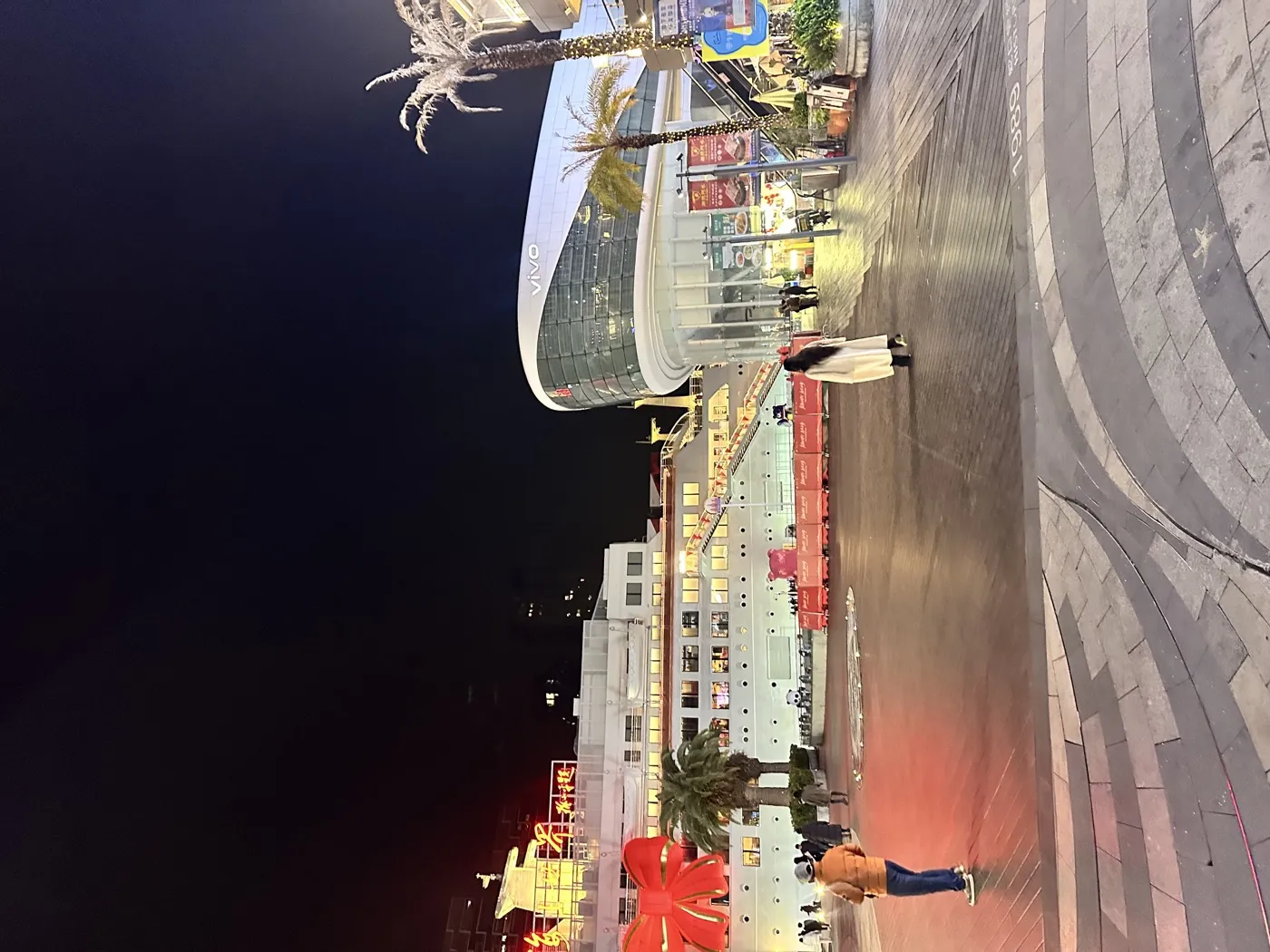 Even the waterfront felt built for momentum.
Final thoughts — why this trip mattered to me
As someone working in AI and building products, this trip reframed something important:
Innovation isn’t just about ideas.
It’s about infrastructure.
China — and especially Shenzhen — has:
- frictionless payments
- efficient transport
- manufacturing at your doorstep
- rapid prototyping
- fast tech adoption
It’s a city optimized for execution.
And for builders, that’s everything.
I didn’t just visit Shenzhen.
I studied it.
And I’m definitely going back.